UK Government Kicks Off Consultation on Gambling Commission Licence Fee Increases Set for 2026
Katja Friedrich · Mar 18, 2026

UK Government Kicks Off Consultation on Gambling Commission Licence Fee Increases Set for 2026
The Launch of the Public Consultation
Observers note how the UK Government has launched a public consultation focused on proposed increases to Gambling Commission (UKGC) licence fees, aiming to better fund its regulatory efforts; this move, detailed in official documents released recently, sets the stage for changes effective from 1 October 2026, while inviting feedback from industry stakeholders, operators, and the public until early next year.
What's interesting is that this consultation comes at a time when regulators seek to align funding with the growing demands of oversight in a sector that's expanded significantly, with remote gambling gross gambling yield (GGY) figures highlighting the scale—remote casinos alone clocking in at a hefty market share; data from the proposals underscores remote casinos at 33.2% and non-remote at 6.1%, painting a picture of where fees might head.
And while the consultation period runs through March 2026 in some aligned discussions, the core timeline locks in those October implementations, giving operators plenty of runway to adapt, yet prompting questions about cost impacts across the board.
Harmonising Fees for Casinos: A Key Shift
Take the proposals around non-remote casinos, where experts point to efforts to harmonise annual fees under both the Casino Act 1968 and the Gambling Act 2005; previously fragmented structures often left inconsistencies, but now regulators propose a unified approach, streamlining payments while tying them closer to operational realities.
This harmonisation extends beyond casinos into broader licence types, incorporating a fresh fee calculation method that factors in operators' market share—those remote casino percentages at 33.2% become pivotal, signaling higher contributions from dominant players; non-remote slots at lower shares like 6.1% suggest a more proportionate burden, although the full formula blends this with regulatory risk weightings.
But here's the thing: regulatory risk weighting applies across most licence types, meaning operators facing higher scrutiny—say, those in high-risk remote bingo or casino segments—could see fees adjusted accordingly, based on evidence from compliance histories and sector data; studies of past enforcement reveal patterns where riskier operations draw more resources, justifying this weighted model.
People who've followed UKGC evolutions often discover that such risk-based adjustments aren't new, yet integrating market share marks a notable evolution, ensuring larger market holders shoulder more of the regulatory load without overly burdening smaller entities.
Three Fee Uplift Options on the Table
Now, turning to the uplift proposals, the consultation lays out three distinct paths for overall fee increases, each designed to pump more funds into UKGC operations; option one calls for a straightforward 30% hike across the board, reflecting the raw funding gap identified in recent assessments.
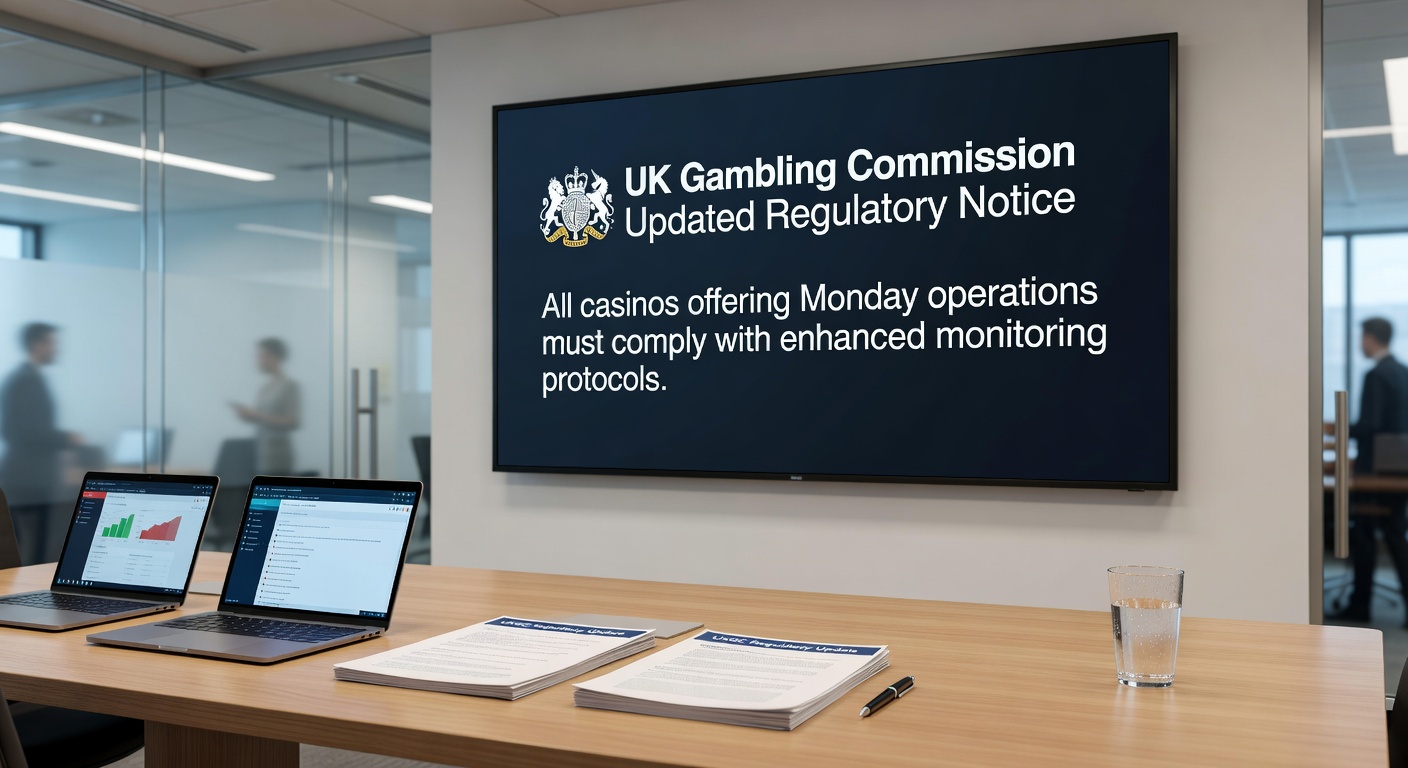
teh second option dials it back to 20%, offering a more measured approach while still addressing core needs; yet the third introduces nuance with a 20% general uplift plus an additional 10% ringfenced specifically for tackling illegal gambling markets—figures reveal that unlicensed operations siphon significant revenue, making this targeted boost noteworthy.
Each option builds on the new calculation framework, so market share and risk weightings feed directly into the final amounts; for instance, a remote casino operator with that 33.2% share might calculate fees by multiplying base rates against these factors, then applying the chosen uplift percentage, resulting in tailored bills that scale with influence.
That's where the rubber meets the road for operators: under the 30% scenario, even modest base fees balloon quickly, whereas the ringfenced 10% in option three directs funds toward enforcement against offshore threats, a move backed by data showing illegal markets eroding regulated revenues.
Market Share Breakdowns and Risk Weightings Explained
Diving deeper into the numbers, data indicates precise market shares driving the model—remote casinos lead at 33.2%, followed by patterns in other segments like non-remote casinos at 6.1%, with similar breakdowns for slots, betting, and more; these percentages, drawn from recent GGY statistics, ensure fees mirror economic footprints accurately.
Regulatory risk weightings add another layer, categorizing licences by compliance demands; high-risk areas such as remote operating licences receive heavier multipliers because evidence shows they require intensive monitoring, from player protection checks to anti-money laundering sweeps.
So an operator holding sway in remote casinos not only pays based on that dominant 33.2% share but also absorbs risk premiums if their profile flags elevated scrutiny; observers who've analyzed prior UKGC reports note how this dual mechanism promotes fairness, preventing low-risk minnows from subsidizing bigger fish.
It's noteworthy that the proposals exempt certain low-volume activities, keeping entry barriers reasonable for startups, although the overall uplift ensures the Commission can scale up staff and tech for March 2026 readiness checks and beyond.
Implications for Operators and the Wider Industry
Operators across the UK gambling landscape prepare for these shifts, with larger remote players bracing for the steepest climbs given their market shares; one case where a major firm modeled the 30% option revealed potential annual hikes in the millions, prompting early budget revisions.
Yet smaller non-remote venues, tied to that 6.1% share, might find relief in the proportionate model, especially if their risk ratings stay low; the consultation encourages submissions highlighting such disparities, potentially influencing the final choice among the three options.
And as the timeline marches toward October 2026, with consultation feedback due well before March 2026 milestones, industry groups rally to weigh in, arguing that ringfenced funds for illegal markets could yield the best long-term value by protecting legitimate revenues.
Figures from the proposals underscore the Commission's current funding shortfalls, with regulatory costs outpacing fees; this overhaul, if adopted, positions the UKGC to enforce stricter standards without taxpayer burden, a balance that stakeholders scrutinize closely.
How the Consultation Process Unfolds
The public consultation invites detailed responses via an online portal, covering everything from fee calculations to uplift preferences; respondents—operators, trade bodies, consumer groups—submit by the deadline, after which officials analyze input before finalizing rules.
Those who've engaged in past UKGC consultations often find that strong, data-backed arguments sway outcomes, so expect lobbying around the 20% plus 10% option as a compromise; meanwhile, the harmonized casino fees simplify admin for dual-licensed venues, cutting compliance headaches.
But here's where it gets interesting: transitional provisions might ease the jump to October 2026, allowing phased uplifts or grace periods, details of which emerge post-consultation.
Conclusion
In wrapping up, the UK Government's consultation on UKGC licence fee increases represents a pivotal moment for funding robust regulation, with harmonized casino fees, market share integrations like the 33.2% remote casino figure, risk weightings, and those three uplift options—30%, 20%, or 20% plus 10% ringfenced—shaping the path to 1 October 2026; stakeholders now hold the ball in their court, as feedback through March 2026 and beyond determines how the industry adapts to this evolved landscape.
Data confirms the need for stronger resources against risks, ensuring player safety and market integrity endure; turns out, this isn't just about higher fees, but sustaining a sector that's grown amid tighter controls.