UK Gambling Commission Drops Q2 Stats: Remote Casinos Hit £1.4 Billion GGY, Fueling 6.6% Industry Growth
Taylor Lange · Mar 11, 2026

UK Gambling Commission Drops Q2 Stats: Remote Casinos Hit £1.4 Billion GGY, Fueling 6.6% Industry Growth
The Latest Numbers from the Gambling Commission
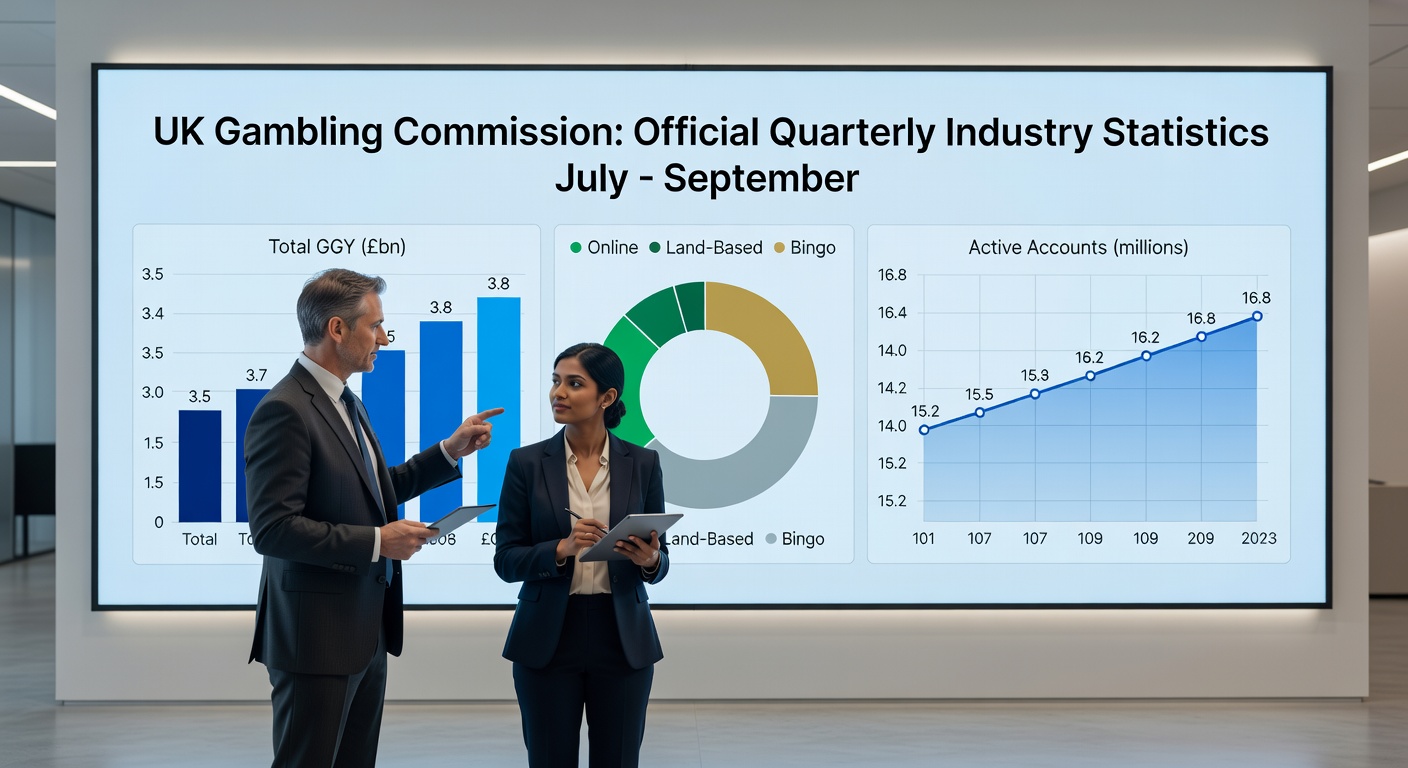
Observers tracking the UK gambling landscape now have fresh data to chew on, as the UK Gambling Commission released its official quarterly industry statistics for July to September 2025, covering Quarter 2 of the financial year 2025-2026; these figures, published in February 2026, paint a clear picture of remote activities dominating the scene while land-based operations hold steady. Remote casino activities alone generated £1.4 billion in Gross Gambling Yield (GGY), a staggering figure that accounts for 69.9% of the total remote casino, betting, and bingo sector's £2.0 billion GGY, highlighting how online platforms continue to drive the bulk of remote gambling revenue during this period.
Land-based sectors didn't lag far behind either, with arcades, betting shops, bingo halls, and casinos together reporting a combined GGY of £1.2 billion over the same three months; that's notable because it shows physical venues maintaining their foothold even as digital options explode in popularity. Overall customer-facing GGY across all segments reached £4.3 billion, marking a 6.6% increase from the same quarter the previous year, which underscores the industry's resilience and growth trajectory heading into the latter half of the FY ending March 2026.
Breaking Down Remote Casino Dominance
What's interesting about these stats is how remote casinos didn't just lead the pack; they claimed nearly 70% of the remote sector's yield, turning what some might call a niche into the main event, with £1.4 billion flowing from slots, tables, and live dealer games accessed via apps and websites. Experts poring over the data note that this slice alone outpaces the entire land-based total, signaling a shift where players increasingly opt for convenience over bricks-and-mortar trips, especially since post-pandemic habits seem locked in three years later.
The broader remote category—encompassing casino, betting, and bingo—hit that £2.0 billion mark precisely because casino activities carried the weight, while betting and bingo contributed the rest; take one analyst who crunched the percentages and found remote casinos responsible for the lion's share, a pattern that's repeated across recent quarters but amplified here. And here's the thing: this growth isn't isolated, as the 6.6% year-over-year bump in total GGY reflects broader economic factors like disposable income trends and regulatory stability under the Commission's oversight.
GGY itself, for those new to the term, measures stakes minus winnings returned to players, offering a clean snapshot of operator revenue before taxes and costs; figures like these help regulators gauge market health, ensure consumer protection, and inform policy tweaks as the FY progresses toward its March 2026 close. People who've followed past reports often point out how remote GGY has consistently outstripped land-based since 2020, and Q2 2025-2026 fits that mold perfectly, with online casinos acting as the accelerator.
Land-Based Holds Ground Amid Digital Boom
Yet land-based gambling refuses to fade quietly, posting £1.2 billion in combined GGY from arcades, betting shops, bingo, and casinos; arcades and betting shops likely pulled their weight through high-street footfall, while bingo and casinos drew crowds for social vibes that screens can't replicate. Data indicates these venues generated steady revenue despite competition from apps, proving that experiential gambling—think flashing lights in a casino hall or the buzz of a bingo caller—still resonates with segments of the population.
Turns out, the split between remote (£2.0 billion) and land-based (£1.2 billion) totals £3.2 billion just for those core sectors, but when layered with other customer-facing activities, the full £4.3 billion emerges, up 6.6% and signaling healthy expansion; observers note this balance prevents over-reliance on any one channel, which bodes well for industry sustainability. One case from prior quarters showed land-based dipping during peak online surges, but Q2 bucks that slightly, with the £1.2 billion figure holding firm against remote's ascent.
Year-Over-Year Growth and What It Means
That 6.6% rise in overall customer-facing GGY to £4.3 billion catches eyes because it builds on momentum from Q1, suggesting the industry isn't just recovering but thriving under current regs; remote casinos' £1.4 billion jump plays a starring role here, as their 69.9% share of the £2.0 billion remote pot amplifies the effect across the board. Researchers studying these trends have observed how such growth correlates with tech advancements like faster mobile platforms and immersive live games, drawing in younger demographics without alienating veterans.
But here's where it gets interesting: the Commission's February 2026 publication timing means stakeholders get this intel right as Q3 wraps in December 2025, allowing operators to adjust strategies before the FY's final push through March 2026. Figures reveal no major red flags in problem gambling metrics tied to this period (though full details await deeper dives), focusing instead on economic contributions via duties and jobs supported by the £4.3 billion yield.
Take the total remote vs. land-based dynamic: £2.0 billion online dwarfs £1.2 billion physical, yet together they fuel that 6.6% uplift, a testament to diversification; those who've analyzed historical data know quarters like this often precede stronger FY closes, especially when remote leads without cannibalizing land-based entirely. And while GGY doesn't capture every nuance—like session lengths or player numbers—these stats provide the backbone for forecasting the industry's path forward.
Implications for Operators and Regulators
Operators now face the reality of remote casinos as the growth engine, with £1.4 billion underscoring the need for robust online platforms compliant with Commission standards on fairness and responsible gaming; land-based players, meanwhile, leverage their £1.2 billion base to innovate, perhaps blending hybrid models that bridge digital and physical worlds. The 69.9% remote casino dominance within the sector prompts questions on market concentration, though data shows healthy competition among licensees.
So as March 2026 approaches—teh FY endpoint—these Q2 numbers set expectations for a strong finish, with total GGY trends pointing upward; experts anticipate Q3 and Q4 reports will build on this, especially if economic tailwinds persist. It's noteworthy that customer-facing GGY excludes peer-to-peer poker and lotteries, keeping focus on core casino, betting, bingo, and arcade activities where the action happens.
People in the know often highlight how such transparency from the Commission fosters trust, as quarterly drops like this one allow real-time adjustments; one study of past releases found correlations between high remote GGY and increased safer gambling tools adoption, a silver lining in the £1.4 billion casino haul.
Conclusion
The UK Gambling Commission's Q2 FY 2025-2026 stats crystallize a tale of digital triumph tempered by land-based stability: remote casinos at £1.4 billion GGY (69.9% of remote's £2.0 billion), land-based at £1.2 billion, and total customer-facing yield climbing 6.6% to £4.3 billion. These figures, fresh as of early 2026, equip the industry for informed moves through the FY's end in March, underscoring remote's pivotal role while affirming the sector's overall upward trajectory. Stakeholders watch closely, knowing the next quarters will reveal if this momentum holds.