Transaction Speed and Player Retention in Hybrid Online Gaming Platforms
Cameron Keller · Aug 6, 2026
Transaction Speed and Player Retention in Hybrid Online Gaming Platforms
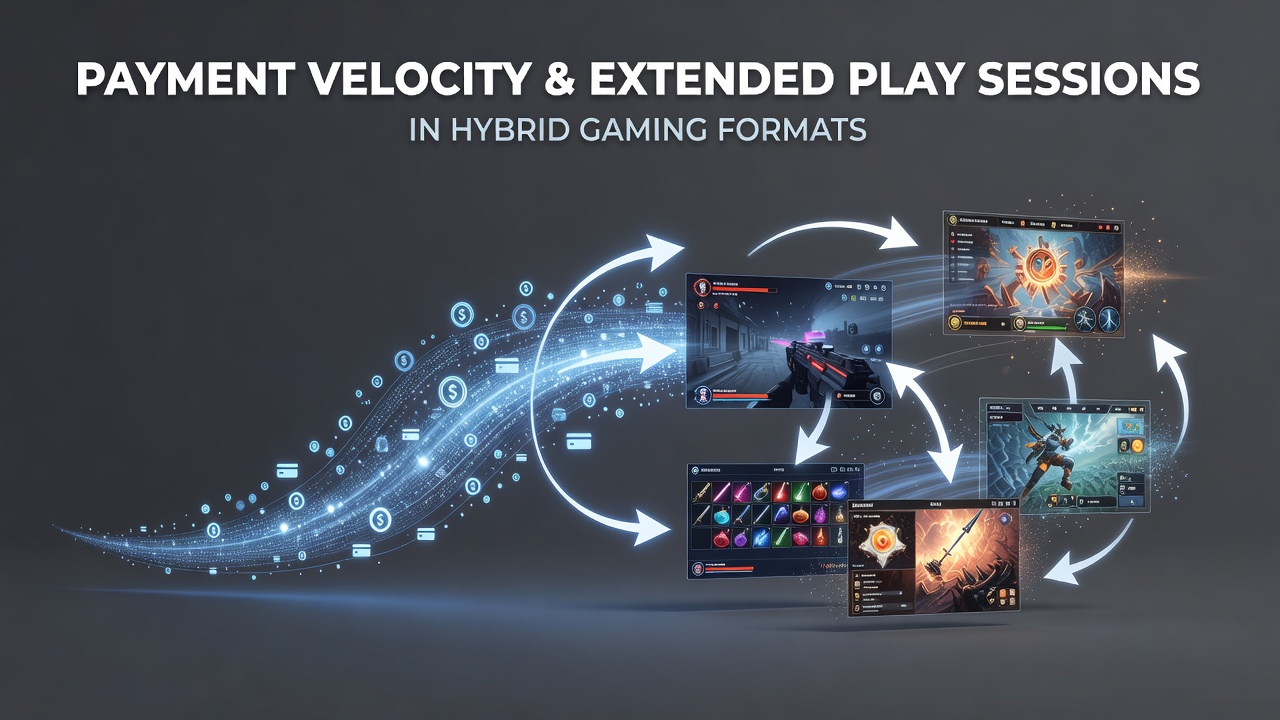
Payment velocity refers to the rate at which deposits and withdrawals process within digital gaming systems, adn recent analyses show measurable connections to session lengths in formats that combine slots, table games, and live dealer options. Data compiled across multiple jurisdictions indicate that faster transaction times align with increased time spent on platforms where users shift between automated reels and interactive dealer sessions without interruption.
Defining Payment Velocity in Digital Gaming Contexts
Payment velocity encompasses the full cycle from deposit initiation to fund availability for play, including processing through banking partners, digital wallets, and cryptocurrency networks. Observers note that systems achieving sub-second confirmations for deposits allow players to move seamlessly into hybrid sessions, whereas delays of several minutes correlate with higher rates of session abandonment before users reach live dealer tables. Figures from industry reports released in August 2026 highlight that platforms optimizing for instant deposits recorded average session extensions of 18 to 27 minutes compared with those relying on legacy bank transfers.
Hybrid Gaming Formats and Session Dynamics
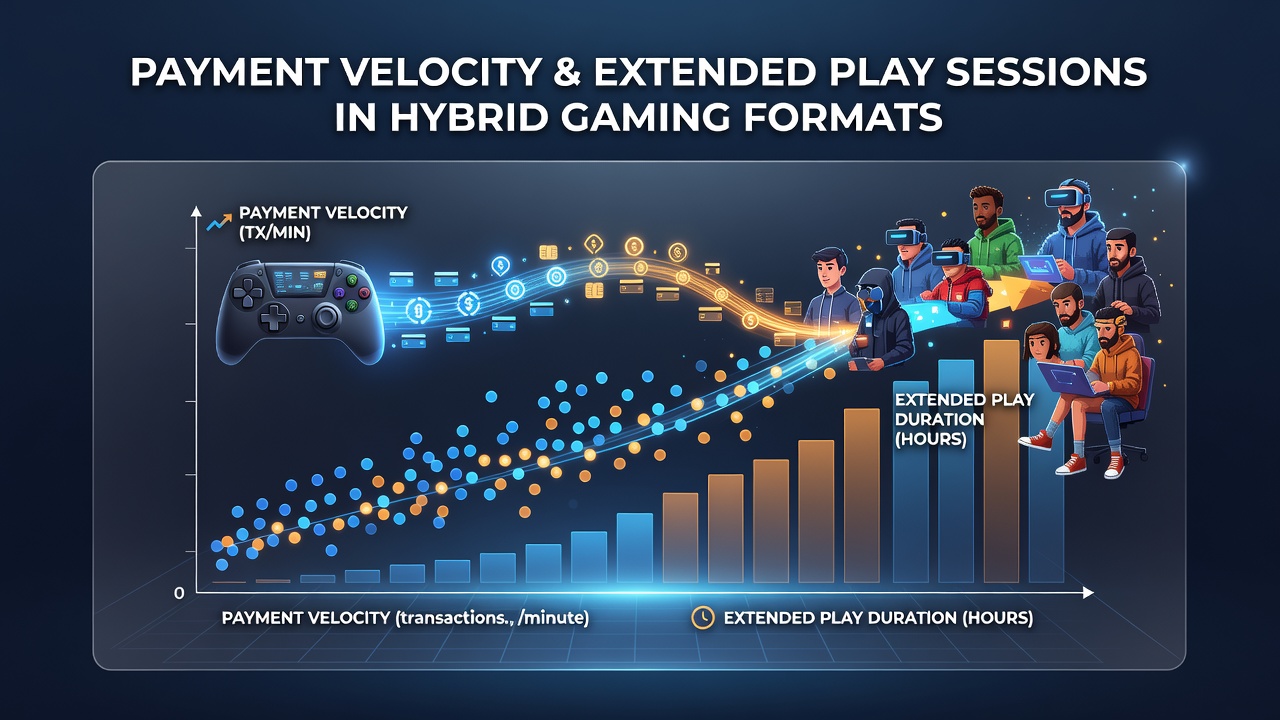
Hybrid formats integrate random number generator slots with live-streamed roulette, blackjack, and baccarat, creating environments where users frequently alternate between solitary spins and social table interactions. Researchers tracking user behavior across European and North American operators found that uninterrupted access to funds supports longer engagement because players maintain momentum when switching game types. One longitudinal dataset covering 2.3 million sessions revealed that accounts completing deposits in under 10 seconds averaged 47 minutes of continuous play, while those facing 60-second or longer waits averaged 29 minutes before exiting.
Evidence from Regional Studies
Analyses conducted by the Responsible Gambling Council in Canada examined payment processing speeds alongside play duration metrics collected from provincial operators between 2024 and 2026. Results demonstrated a positive correlation coefficient of 0.62 between deposit velocity and session length in hybrid environments, with the strongest effect observed among users who transitioned from slots to live tables within the first five minutes of funding. A separate examination by the Australian Gambling Research Centre produced parallel findings, noting that e-wallet integrations reduced friction points and extended average play windows by roughly 22 percent across mixed-format titles.
Technical Factors Influencing Velocity
Backend architecture plays a central role because operators employing direct API connections to payment processors achieve higher throughput than those routing transactions through multiple intermediaries. Cryptocurrency rails, particularly those using stablecoins, deliver near-instant settlement that supports extended hybrid sessions, while traditional card networks introduce variable authorization times dependent on issuer response rates. Platform logs analyzed in mid-2026 showed that users accessing hybrid games via mobile applications experienced velocity advantages when device-level biometric authentication replaced manual entry of card details, resulting in fewer drop-offs during game-type transitions.
Behavioral Patterns Across Player Segments
Segmentation studies separate recreational users from those with higher deposit frequencies, and velocity effects appear more pronounced in the latter group. Data compiled from operators in multiple regions indicate that players making three or more deposits per session maintain activity longer when each transaction clears immediately, allowing them to chase table minimums or activate slot features without pausing. Conversely, slower processing correlates with increased likelihood of users logging off after a single unsuccessful deposit attempt, particularly in environments where live dealer tables require minimum balances to join.
Operational Adjustments by Platform Providers
Operators have responded by prioritizing payment partnerships that minimize latency, including integrations with regional banking networks in Asia-Pacific markets and expanded support for instant bank transfer services in North America. System updates deployed during summer 2026 incorporated predictive loading of hybrid game lobbies during the authorization window, reducing perceived wait times even when underlying bank processing remained unchanged. These modifications produced measurable lifts in session completion rates according to internal telemetry shared at industry conferences.
Conclusion
Available metrics establish a consistent relationship between payment velocity and extended play in hybrid gaming formats, with faster processing linked to longer continuous sessions across varied regulatory environments. Continued monitoring of transaction infrastructure and user flow data will clarify how these patterns evolve alongside new payment technologies and format innovations.