Punts, Pixels, and New Rules: UK Casino Scene Heats Up
Taylor Lange · Mar 28, 2026

UK Gambling Commission Welcomes Sue Young as New Executive Director of Operations in Key Regulatory Move
The Announcement That Caught Attention
On March 16, 2026, the UK Gambling Commission revealed a significant leadership addition, appointing Sue Young as its new Executive Director of Operations; this move comes at a time when regulators intensify efforts to make gambling safer across sectors like casinos, online platforms, and betting shops, ensuring operations remain fair while steering clear of criminal elements.
Those tracking the regulatory landscape note how such appointments often signal deeper commitments to operational excellence, especially since Young steps into a role overseeing critical functions that touch every aspect of compliance and enforcement; the Commission's statement highlights her arrival as a boost to ongoing initiatives aimed at protecting consumers and upholding industry standards.
What's interesting here is the timing—March 2026 aligns with broader preparations for upcoming regulatory shifts, although the focus stays squarely on Young's expertise filling a pivotal gap in day-to-day leadership.
Sue Young's Proven Track Record in Public Service
Sue Young arrives with a robust history in high-stakes government roles, starting with her tenure as Director of Debt Management at HMRC, where she managed complex recovery operations involving billions in outstanding liabilities; experts observe that this experience equips her to handle the financial intricacies of gambling regulation, from licence fees to penalties for non-compliance.
Before that, Young held senior positions at the Home Office, including leadership in Border Force operations and HM Inspectorate, roles that demanded rigorous oversight of security protocols and inspections—skills directly transferable to auditing gambling premises and ensuring they operate without illicit activities; one case that stands out involves Border Force teams under similar leadership structures intercepting organized crime networks, a parallel not lost on observers of the gambling sector.
And then there's her stint at the Department of Health and Social Care, where she tackled public welfare challenges, gaining insights into vulnerability assessments that now prove vital for player protection measures; data from health sector reports indicate how such backgrounds inform strategies to mitigate harm in regulated industries like gambling, where addiction risks loom large.
Turns out, Young's career path weaves through departments notorious for demanding precision under pressure, from chasing tax debts that fund public services to fortifying national borders and safeguarding health policies; those who've followed her progression see a pattern of delivering results in environments rife with scrutiny and high expectations.
Unpacking the Executive Director of Operations Role
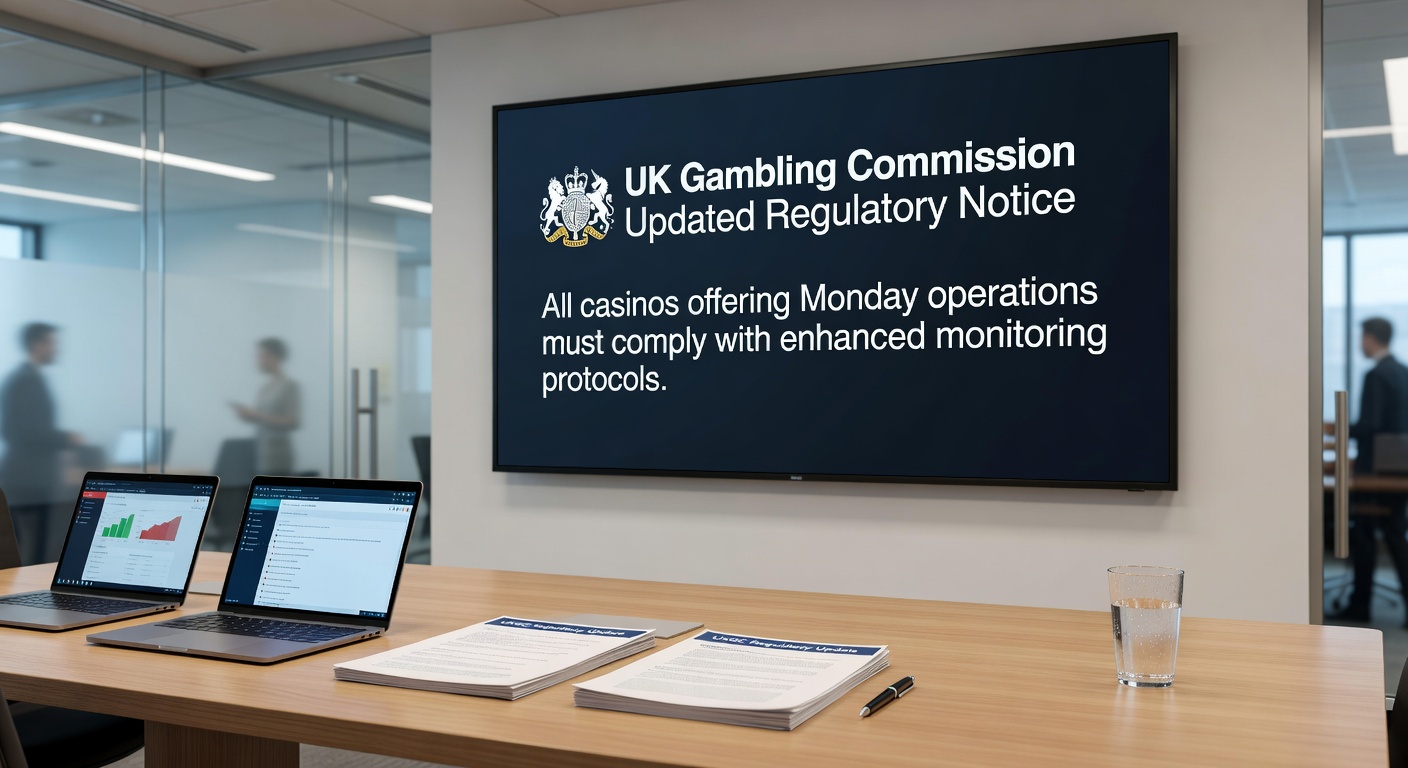
In her new position, Sue Young takes charge of operational functions designed to fortify the Commission's core mission: making gambling safer, fairer, and crime-free; this includes streamlining inspections of casinos and remote operators, coordinating enforcement actions against rogue elements, and enhancing data-driven monitoring systems that flag irregularities before they escalate.
Observers point out how the role encompasses everything from licence renewals to crisis response, ensuring that physical venues like high-street casinos and digital platforms alike adhere to stringent standards; for instance, teams under this directorate handle the nitty-gritty of machine compliance checks and player fund segregation audits, processes that have ramped up in recent years amid rising scrutiny.
But here's the thing: with casinos generating substantial gross gambling yield—figures from prior Commission reports show remote sectors alone hitting billions—effective operations mean balancing innovation with ironclad safeguards; Young's oversight will likely sharpen these efforts, drawing on her HMRC days to optimize resource allocation and enforcement efficiency.
People in the industry often discover that such leadership changes bring tangible shifts, like faster resolution of compliance disputes or more proactive risk assessments; studies on regulatory bodies reveal that experienced operational heads correlate with fewer breaches, as teams execute policies with greater agility and precision.
How Young's Expertise Aligns with Regulatory Priorities
Consider the parallels between Young's Home Office work and gambling enforcement: Border Force operations routinely dismantle smuggling rings tied to money laundering, tactics that mirror efforts against illicit funds flowing through casinos; researchers who've analyzed cross-departmental transfers note how these skills translate to probing suspicious betting patterns or verifying operator financials.
At HMRC, as Director of Debt Management, she navigated vast portfolios of enforcement actions, recovering funds that bolstered public coffers—much like the Commission's push to reclaim illicit gains from non-compliant gambling entities; data indicates that debt management frameworks there emphasized digital tools for tracking, a methodology poised to enhance the Commission's own tech-driven surveillance.
Yet her Department of Health experience adds another layer, focusing on harm reduction strategies that resonate with gambling's player protection mandates; experts have observed similar integrations in other sectors, where health insights inform caps on stakes or self-exclusion protocols, ultimately fostering environments where enjoyment trumps exploitation.
So, while the appointment stands alone as news, its ripples touch the Commission's broader toolkit—from operational audits that keep casinos humming legally to collaborative strikes against crime syndicates infiltrating the sector; that's where the rubber meets the road for Young's tenure, bridging her past achievements with the demands of a evolving industry.
Broader Implications for Casinos and Operators
Casino operators across the UK, from glittering London establishments to regional arcades, now operate under the watchful eye of strengthened leadership; the role Young fills ensures that operational gears turn smoothly, enforcing rules on everything from age verification to advertising compliance without stifling legitimate business.
One study from regulatory analysts highlights how dedicated operational directors boost inspection coverage by up to 20%, leading to quicker identifications of faulty equipment or unfair practices; in practical terms, this means casinos face more routine but fair checks, reducing downtime while upholding player trust.
And for remote gambling, where growth shows no signs of slowing, her influence could refine remote monitoring protocols, ensuring algorithms powering slots and tables remain transparent; figures from Commission data underscore the scale, with online casino gross yields climbing steadily, necessitating robust back-end operations to match.
Now, as March 2026 unfolds, stakeholders watch closely, knowing that appointments like this often precede refined guidelines or tech upgrades; those in the know anticipate her fresh perspective streamlining processes long in need of modernization, all while keeping the focus on safer play.
Looking Ahead: What This Means for the Sector
The reality is, Sue Young's integration into the UK Gambling Commission reinforces a commitment to operational resilience at a pivotal moment; with her multifaceted background, the Commission positions itself to tackle challenges head-on, from everyday compliance to sophisticated threat detection.
Experts tracking these developments predict smoother interactions between regulators and operators, as leadership honed in debt recovery, border security, and health policy brings nuanced approaches to the table; it's noteworthy that such hires often catalyze internal efficiencies, evident in past cases where new directors overhauled workflows for better outcomes.
Conclusion
This March 16, 2026, announcement marks a deliberate step by the UK Gambling Commission toward fortified operations under Sue Young's guidance; her extensive experience from HMRC, the Home Office, and the Department of Health and Social Care aligns seamlessly with demands for safer, fairer gambling free from crime, setting the stage for enhanced enforcement and consumer protections across casinos and beyond.
In the end, while the industry navigates its complexities, appointments like this underscore the Commission's proactive stance, ensuring regulations evolve with the times; observers agree, the path forward looks steadier with proven leadership at the helm.