How Payment Protocols Shape Session Continuity in Mobile Slots and Live Dealer Games
Quinn Jung · Jul 23, 2026
How Payment Protocols Shape Session Continuity in Mobile Slots and Live Dealer Games
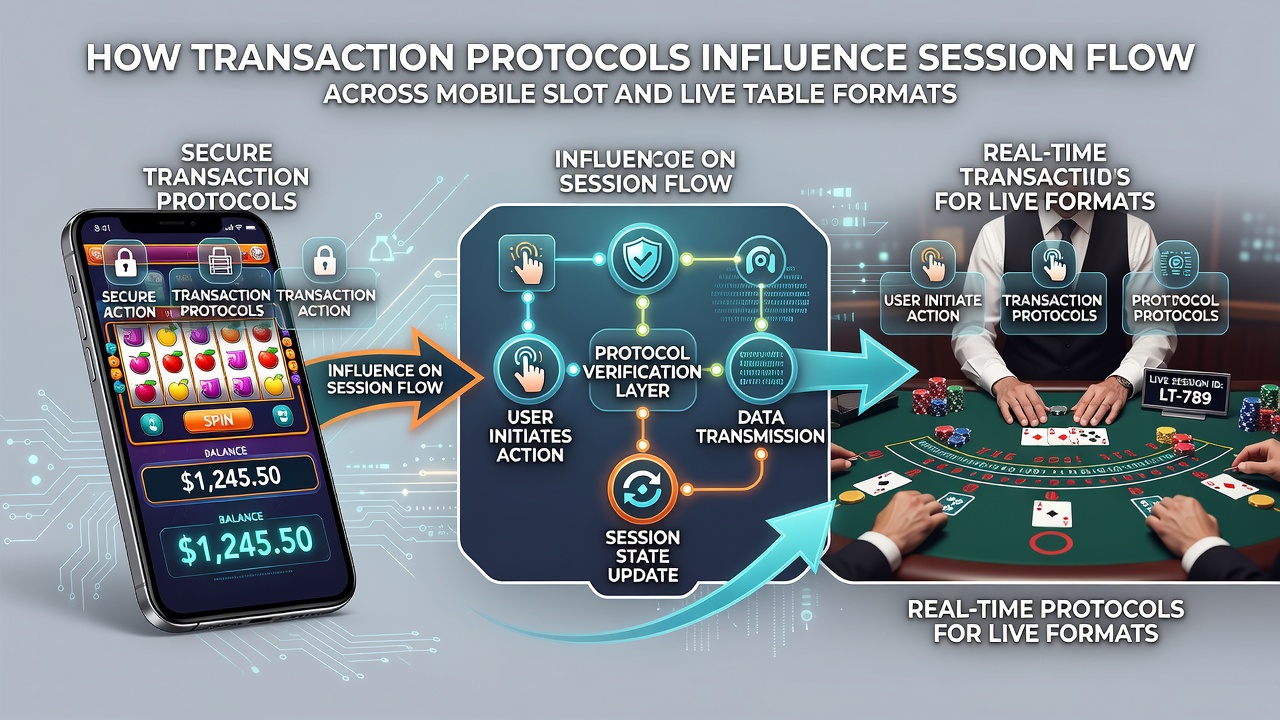
Transaction protocols determine how quickly funds move between player accounts and game servers, which directly affects how sessions unfold across mobile slots and live table formats. Mobile slots rely on rapid, automated transactions that keep reels spinning without interruption, whereas live dealer tables depend on protocols that handle real-time betting rounds and dealer interactions without introducing delays or disconnects. Data from industry reports indicate that protocol efficiency influences everything from deposit confirmation times to withdrawal processing, creating distinct session patterns in each format.
Core Components of Transaction Protocols in iGaming
Payment gateways, API integrations, and encryption standards form the backbone of these protocols, and they operate differently depending on whether the game runs on automated mechanics or live human oversight. In mobile slots, protocols process small, frequent bets through instant verification steps that allow players to continue spinning while balances update in the background. Live table formats require protocols to synchronize with video streams and dealer actions, so any lag in authorization can pause betting windows or force players to rejoin rounds. Research from the American Gaming Association shows that optimized protocols reduce average transaction times by up to 40 percent across both categories when compared with legacy systems still in use at some operators.
Mobile Slot Session Dynamics Driven by Protocol Speed
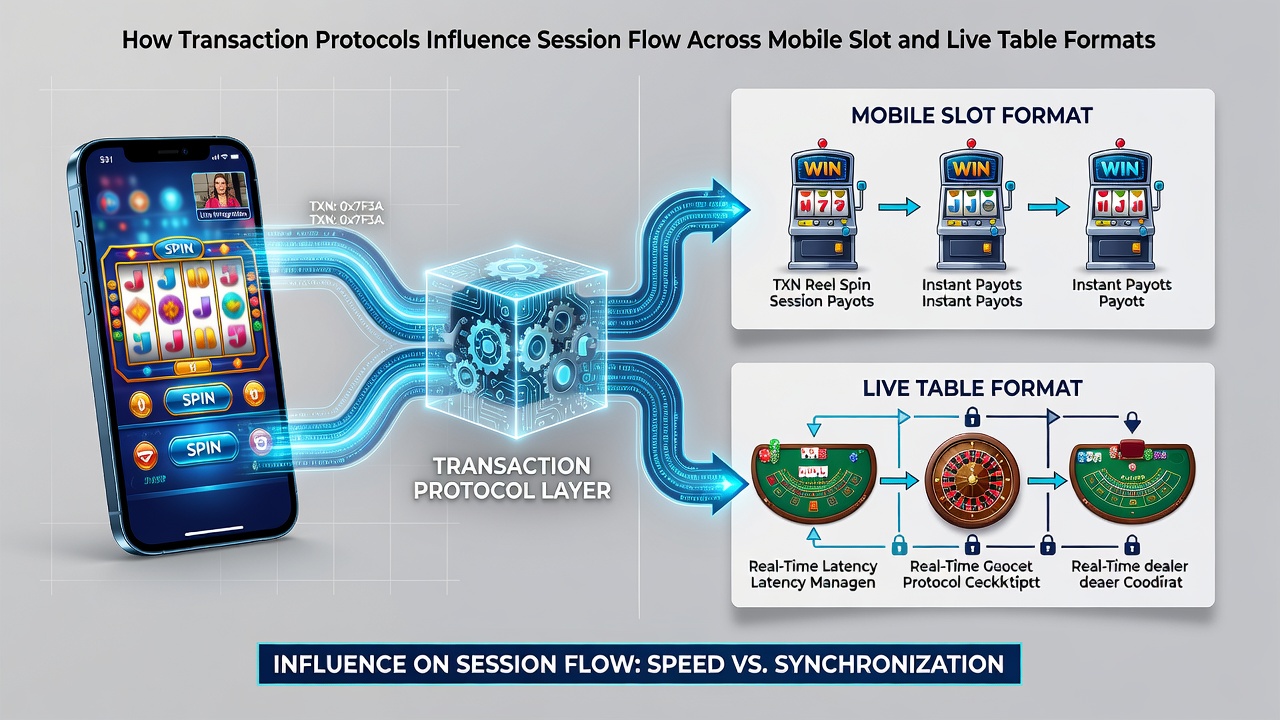
Slots on mobile devices benefit from protocols designed for high-volume micro-transactions, and this setup supports extended play sessions because deposits clear in seconds rather than minutes. Players often move between games or trigger bonus features without leaving the app, since the protocol handles balance refreshes seamlessly. Observers note that when protocols incorporate tokenization and cached authentication, session lengths increase because fewer interruptions occur during loading screens or failed attempts. Figures from a 2025 European fintech study reveal that operators using low-latency protocols saw mobile slot sessions average 22 minutes longer than those relying on standard bank transfers.
Live Table Formats and Real-Time Protocol Demands
Live dealer games place heavier demands on transaction protocols because each betting round has a fixed window, and any delay in fund verification can exclude players from participating. Protocols must integrate with streaming servers and dealer management systems so that bets register before the next card or wheel spin occurs. Those who have examined session data across platforms find that live table users experience shorter average sessions when protocols introduce even brief authorization holds, since the social and time-sensitive nature of the format discourages waiting. In July 2026, several major platforms introduced protocol updates that batch multiple live bets into single encrypted packets, and early reports indicate this change cut mid-round interruptions by roughly 15 percent.
Comparative Effects Across Formats
Side-by-side analysis reveals that mobile slots tolerate slower protocols better than live tables because automated games can queue actions during brief delays, while live rounds move forward regardless. Yet protocols that support instant funding give live players an edge by allowing quick top-ups between hands without exiting the table view. What's interesting is how cross-format players shift behavior when protocols differ: many start in slots during deposit waits then switch to live tables once funds clear. Industry data compiled by the Canadian Gaming Association demonstrates that seamless protocol handoffs between formats increase total session time across a single login by an average of 18 percent.
Security Layers and Their Influence on Flow
Encryption requirements and fraud checks add processing steps that protocols must balance against speed, and this trade-off shows up differently in each game type. Mobile slots often use pre-approved spending limits that bypass some checks during active sessions, keeping the flow uninterrupted. Live tables apply stricter real-time monitoring because larger average bets trigger additional verification, which can extend the time between rounds if the protocol does not pre-authorize within the betting window. Researchers at the University of Nevada Gaming Innovation Lab documented cases where adaptive protocols adjusted security depth based on game format and player history, resulting in fewer session breaks overall.
Conclusion
Transaction protocols continue to evolve as operators refine how funds move through mobile slots and live table environments, and the differences in session flow stem directly from how well each protocol accommodates the pace and structure of the chosen format. Continued improvements in API speed and integration point toward smoother experiences across both, with measurable impacts on how long players remain engaged in a single sitting.