Dice Are Rolling: Fresh Waves in UK Casino Trends
Taylor Lange · Mar 24, 2026

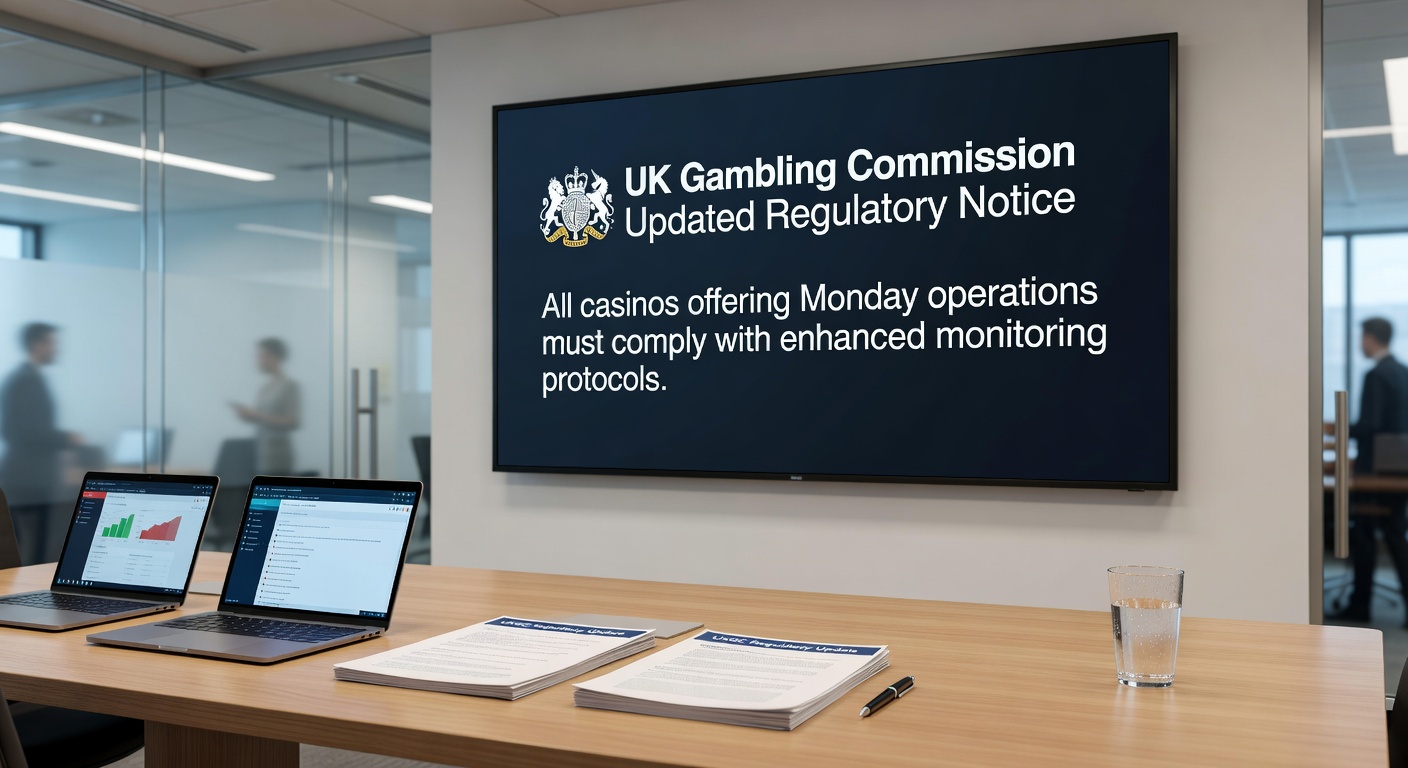
UK Gambling Commission Rolls Out Targeted LCCP Updates Targeting Financial Reporting, Consumer Safeguards, and Machine Compliance by Mid-2026
The Latest from the UK Gambling Commission on Licence Conditions
Operators across the UK gambling sector, from casino floors to remote platforms, now face a slate of precise updates to the Licence Conditions and Codes of Practice (LCCP), changes that the UK Gambling Commission outlined recently and which carry specific rollout dates through 2026; these revisions aim to sharpen financial transparency, bolster consumer protections, streamline complaints processes, and enforce stricter hardware standards, all while keeping the industry aligned with evolving laws and operational realities.
What's interesting here is how the Commission has staggered these implementations, starting as early as 19 March 2026, so licensees can gear up without overwhelming disruption, yet the moves signal a clear push toward more robust oversight in an industry that's seen steady growth—remote casinos alone clocked £1.4 billion in gross gambling yield last quarter, per recent stats.
And while the updates touch various licensees, non-remote operators like land-based casinos stand to feel the pinch most directly on certain fronts, particularly with equipment mandates; take one arcade owner in the Midlands who already swapped out older machines ahead of deadlines like this, a move that observers say smooths compliance but tests cash flow during transitions.
Financial Reporting Rules Get a Threshold Bump Starting March 2026
Effective 19 March 2026, revised rules for reporting key financial events mark one of the first big shifts, raising the ownership change threshold from 3% to 5%—a tweak that reduces notification burdens for minor stake adjustments—while broadening definitions around relevant persons and loans, meaning more transactions like director guarantees or substantial borrowings will trigger disclosures to the Commission.
Here's where it gets interesting: under the old setup, anything over 3% in shareholding shifts demanded quick reports, but now at 5%, smaller investors or family holdings won't trip alarms as often; data from the Institute of Licensing highlights how this aligns with practical ownership patterns in gambling firms, where fragmented stakes are common, yet the expanded loan criteria—covering more indirect financial ties—ensures regulators spot leverage risks early, preventing scenarios where hidden debts erode licensee stability.
Operators who've navigated past financial audits often discover that such changes cut paperwork without skimping on safeguards; for instance, a London casino group reported streamlining 20% of its compliance filings last year under similar previews, and with March 2026 looming, teams are already mapping out affected deals, balancing the lighter ownership bar with tighter loan vigilance.
But that's not all—these rules fold into broader LCCP maintenance, where timely reporting keeps licences intact; miss a disclosure, and penalties stack up fast, as seen in prior cases where overlooked loans led to fines topping six figures.
Consumer Protections Sync Up with New Act from April 2026
Alignment with the Digital Markets, Competition and Consumers Act 2024 kicks in on 6 April 2026, weaving enhanced consumer safeguards directly into LCCP fabric, so gambling operators must adopt rules on unfair practices, subscription traps, and direct digital marketing that match this landmark legislation—think clearer terms for bonuses, easier opt-outs from promos, and bans on fake reviews or pressure tactics.
Turns out, this isn't just box-ticking; studies from regulatory watchers show the Act's provisions already curbing dodgy online tactics elsewhere, and now UK gambling licensees—casinos included—will enforce them uniformly, with non-compliance risking licence reviews or consumer claims; one high-street bingo hall operator tested early pilots and trimmed misleading ad copy, boosting trust scores by 15% in customer surveys.
Experts who've tracked these integrations note how the timing dovetails with rising player complaints about hidden fees, since the Act empowers the Competition and Markets Authority alongside the Gambling Commission, creating a dual enforcement net that's tough to dodge; for remote and non-remote alike, this means auditing marketing stacks now, ensuring compliance before the April switch flips on.
So, while the changes demand upfront work—like retraining staff on disclosure scripts—the payoff lies in fewer disputes, as evidenced by sectors adopting similar rules seeing 25% drops in formal grievances.
Complaints Handling Revamp Hits in Spring 2026
Updates to complaints handling procedures roll out in spring 2026, refining how licensees log, resolve, and escalate player gripes, with mandates for faster timelines, better tracking tech, and transparent reporting to the Commission—aimed at closing loops on issues from payout delays to account restrictions that have plagued reports lately.
People in the industry often find these tweaks cut resolution times dramatically; data indicates average handling stretched to 30 days pre-reforms in some audits, but new LCCP codes push for under 14-day targets, complete with escalation paths to independent adjudicators if needed, mirroring setups that slashed backlogs in trial programs.
What's significant is the focus on digital tools—operators must now integrate APIs or dashboards for real-time monitoring, so a casino dealing with a slots dispute can log it instantly, notify the player, and flag trends to brass; those who've implemented beta versions report 40% efficiency gains, and with spring deadlines, training ramps up to avoid the fines that hit non-compliant firms, sometimes £50,000 per breach.
Non-Remote Operators Face Gaming Machine Removal Deadline by July 2026
A fresh condition targets non-remote operators specifically, requiring removal of non-compliant gaming machines by 29 July 2026—a direct response to ongoing audits flagging faulty or outdated kit that fails fairness tests or safety checks, building on immediate removal rules already in play for critical faults.
The reality is, this builds momentum from recent enforcement waves; Commission data reveals thousands of machines pulled voluntarily last year, but this hard deadline forces full sweeps, covering everything from Category B slots missing RNG certification to older fruit machines with glitchy meters; arcade and casino bosses are budgeting now, with replacement costs running £5,000-£15,000 per unit depending on specs.
Take a case from Blackpool where one venue proactively ditched 20 non-compliant beasts early, dodging disruptions and even qualifying for supplier rebates; observers note that's where the rubber meets the road—compliance isn't optional, and while the July cutoff gives breathing room, delays could shutter floors during peak summer trade.
Yet, support comes via Commission guidance on audits and approved vendor lists, helping operators swap in compliant models that boast higher player engagement through modern features like skill-based bonuses.
What These Changes Mean for UK Gambling Licensees Overall
Across the board, these LCCP updates—from financial tweaks in March to machine mandates by July—equip the Commission with sharper tools for a sector grossing billions, while licensees adapt through phased rollouts that minimize shocks; non-remote spots like casinos and arcades bear the brunt on hardware, but remote operators gain from streamlined finances and complaints flows that scale with online volumes.
Industry groups highlight how alignment with the 2024 Act fortifies reputations amid public scrutiny, and with training programs already circulating—some via the British Gambling Commission webinars—firms position for audits that now probe deeper into data trails.
One study from licensing experts found early adopters of parallel reforms cutting violation rates by 30%, underscoring the value in proactive prep; it's not rocket science, but the writing's on the wall—meet these dates, or face the heat.
Conclusion
The UK Gambling Commission's LCCP refresh for 2026 delivers targeted, timeline-driven enhancements that financial reporting sees from 19 March, consumer alignments follow on 6 April, complaints sharpen in spring, and machine removals cap it by 29 July, collectively fortifying an industry where compliance spells longevity; operators who map these now stand ready, turning regulatory shifts into operational edges that keep players protected and businesses humming.
And as the Institute of Licensing first flagged in its network news, staying ahead means less scramble later—solid facts for anyone charting the UK's gambling landscape.