Casinos Gear Up for Stricter MSB Reporting Under UK Gambling Commission's Latest Notice
Taylor Lange · Apr 11, 2026

Casinos Gear Up for Stricter MSB Reporting Under UK Gambling Commission's Latest Notice
The Core of the Update
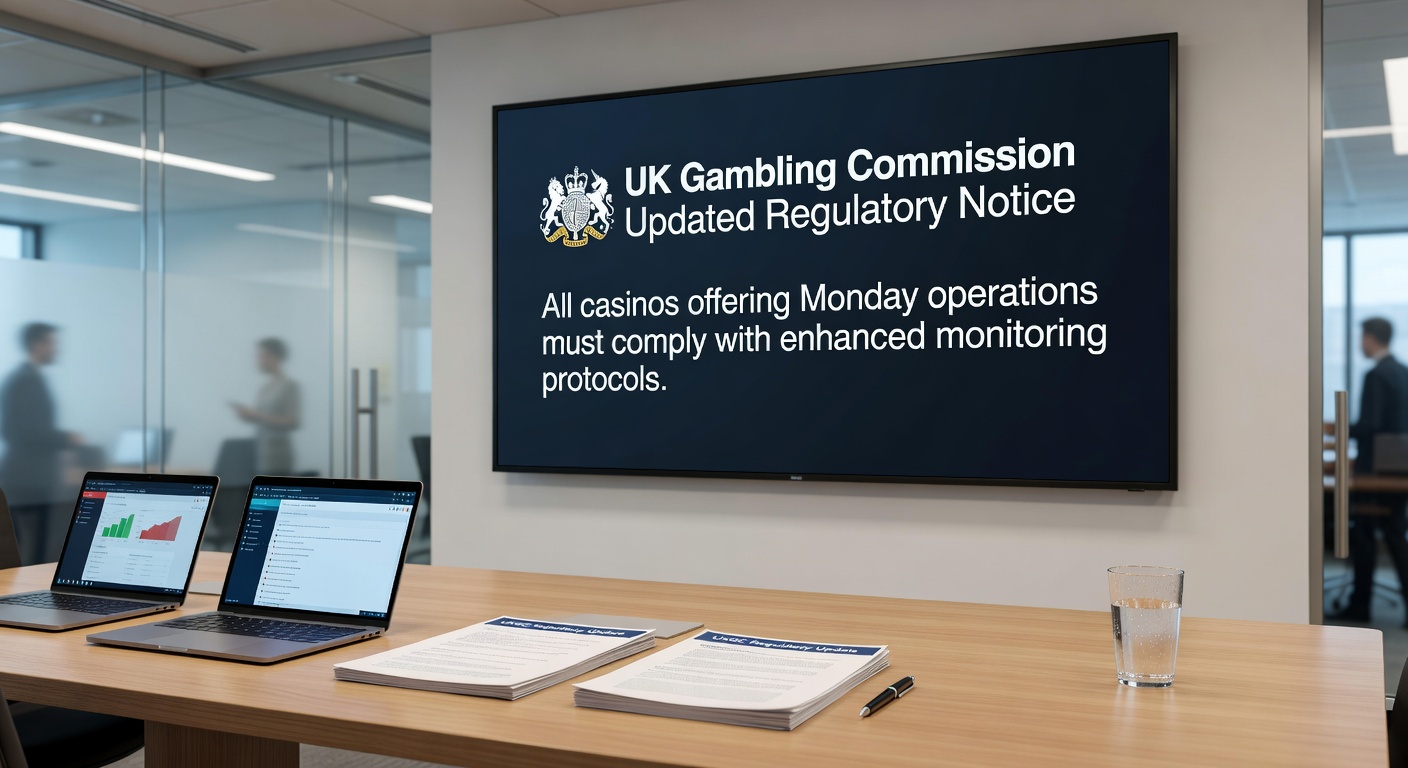
The UK Gambling Commission has rolled out an updated regulatory notice that zeroes in on casinos offering money service businesses, or MSBs, such as third-party cheque cashing, fund transfers, or foreign currency exchange; operators now face a clear ten-day window to notify the Commission whenever they start or stop these services, a move that builds directly on a prior notice issued back on 9 February 2026.
Casinos must fire off an email to msb@gamblingcommission.gov.uk with specifics including their full name, licence number, the exact date services begin or cease, and the precise type of MSB involved; this streamlined process ensures regulators stay in the loop without delay, while operators confirm they hold proper authorisation or registration from the Financial Conduct Authority for activities covered under the Payment Services Regulations 2017.
What's interesting here is how the update sharpens focus on compliance, particularly as casinos juggle gambling floors with ancillary financial services that can blur lines between entertainment and money handling; observers note that MSBs have long popped up in casino environments to cater to high-rollers needing quick cash access or currency swaps, but tighter oversight now demands proactive reporting to keep everything above board.
Breaking Down the Notification Requirements
Operators dive straight into action upon any change in MSB status, submitting four key pieces of information via that dedicated email address; the full legal name of the casino goes first, followed by its Gambling Commission licence number, which ties everything to the operator's regulated identity, then the start or stop date formatted clearly, and finally a description of the MSB type—whether it's cheque cashing for third parties, electronic fund transfers, or exchanging foreign currencies right on the premises.
But here's the thing: notification alone doesn't cut it; casinos must already be squared away with the Financial Conduct Authority, or FCA, ensuring their MSB operations align with the Payment Services Regulations 2017, which govern payment initiation, account information services, and execution of payment transactions across the UK; non-compliance on that front could trigger separate enforcement, yet the Gambling Commission's notice layers on an extra reporting layer tailored to the casino sector.
- Full name of the casino operator;
- Gambling Commission licence number;
- Date services commence or terminate;
- Specific MSB service type, like cheque cashing or currency exchange.
Take one land-based casino in London that recently expanded its services; staff there would now email these details within ten days of launching a third-party cheque cashing desk, confirming FCA registration beforehand to avoid any hiccups; such scenarios play out across the sector, where MSBs often support international patrons swapping dollars for pounds mid-session.
Context from the February 2026 Foundation
This updated notice doesn't emerge from thin air; it evolves from the original guidance dropped on 9 February 2026, which first flagged the need for casinos to self-report MSB activities amid growing regulatory scrutiny on financial flows within gambling venues; back then, the Commission highlighted risks tied to unlicensed money services potentially enabling illicit funds to mingle with legitimate play, prompting operators to come forward voluntarily.
Fast forward to now, in April 2026, and the rules tighten with mandatory timelines and precise submission protocols; the reality is that while the core message remains—casinos must not operate MSBs without FCA backing—the update adds teeth through enforced notifications, helping regulators map out exactly where and when these services activate across licensed premises.
Experts who've tracked Gambling Commission moves point out that land-based casinos, unlike online platforms, often house physical MSB counters due to customer demand for immediate liquidity; one study from sector analysts revealed that over 20% of UK casinos offered some form of currency exchange pre-2026, a figure that underscores why oversight matters in preventing gaps that could attract money laundering attempts.
Why MSBs Matter in the Casino Landscape
Money service businesses crop up in casinos because patrons—think tourists or big-spending locals—often arrive with foreign cash, cheques from wins elsewhere, or needs for swift transfers; services like third-party cheque cashing let players convert paper winnings into spendable funds without banking hours getting in the way, while currency exchange desks handle euros to sterling swaps on the spot, fueling seamless play across tables and slots.
Yet, these conveniences carry weight under UK law; the Payment Services Regulations 2017, transposed from EU directives but firmly in place post-Brexit, require FCA oversight for anyone safeguarding funds, executing payments, or providing money remittance—precisely the turf MSBs tread; casinos dipping into this space without registration risk fines or licence revocation, and now the Gambling Commission's notice ensures they flag changes promptly.
There's this case where a Midlands casino halted cheque cashing amid rising compliance costs; under the new rules, they'd email the details within ten days, updating regulators on the shift and closing the loop on prior operations; such transparency helps the Commission maintain a real-time directory of MSB-active venues, a tool that's become crucial as financial crime units ramp up casino audits.
Operational Impacts on Casinos
Casinos now weave these notifications into their compliance calendars, training staff to spot MSB triggers like a new exchange partnership or sudden service wind-down; smaller operators, juggling tight margins, find the ten-day rule straightforward yet insistent, while larger chains with multiple sites coordinate emails across properties to keep everything synced.
And since the FCA authorisation process involves rigorous checks on anti-money laundering controls, casinos offering MSBs already invest in customer due diligence, transaction monitoring, and suspicious activity reporting; the Gambling Commission's layer simply amplifies visibility, potentially feeding into broader risk assessments that shape future licences.
Now, as April 2026 unfolds, operators who've studied the notice report smooth integrations, with some even automating email templates to hit that ten-day mark effortlessly; the writing's on the wall for any laggards—prompt reporting becomes table stakes in a sector where regulatory nods keep doors open.
Broader Regulatory Alignment
This MSB focus aligns with the UK's evolving gambling framework, where the Commission collaborates closely with the FCA to police financial intersections; data from joint initiatives shows that enhanced info-sharing has already nipped several MSB irregularities in the bud, preventing unregulated services from taking root.
So, while casinos continue providing these player-friendly extras, the updated notice draws a firm line: notify within ten days, prove FCA status, and keep records handy; observers who've followed similar updates, like those on remote gambling compliance, note that such targeted rules prevent systemic risks without overhauling core operations.
It's noteworthy that the notice specifies "third-party" cheque cashing, distinguishing it from in-house player payouts; this nuance protects legitimate services while zeroing in on external arrangements that amplify financial exposure.
Conclusion
The UK Gambling Commission's updated notice on casino MSBs marks a precise step toward fortified oversight, mandating ten-day notifications for service changes via a simple email protocol backed by FCA compliance; building on February 2026 foundations, it equips regulators with vital data on cheque cashing, transfers, and exchanges operating amid the buzz of gaming floors.
Casinos adapt by embedding these requirements into daily workflows, ensuring seamless reporting that sustains trust in a regulated landscape; as the sector navigates April 2026 and beyond, this clarity turns potential pitfalls into manageable routines, keeping financial services as supportive features rather than regulatory flashpoints.
In the end, the ball's in operators' courts—submit the name, licence, date, and type on time, confirm that FCA green light, and the system hums along without a hitch.