Britain's Casino World Transforms as Digital Shifts and Fresh Habits Redefine Play Across the Nation
Cameron Keller · Jul 11, 2026

UK Gambling Commission Introduces Staged Financial Risk Checks for High-Spending Players
The UK Gambling Commission has confirmed plans for a streamlined staged approach to financial risk assessments, and this framework targets high-spending customers who might face financial difficulties while keeping regulatory oversight intact. The announcement appeared on the Commission's official news page in July 2026, and it outlines how operators will implement checks in phases rather than all at once. Operators gain clearer guidance on when and how to intervene, whereas customers receive support earlier in the process if spending patterns raise concerns.
Details of the Staged Assessment Process
Under the new model, financial risk assessments unfold across distinct stages that begin with automated data reviews before moving to more detailed evaluations where needed. The first stage focuses on basic transaction monitoring to flag unusual spending spikes, and subsequent stages incorporate additional customer information only when initial indicators suggest potential issues. This structure allows operators to apply lighter touch measures initially while reserving intensive reviews for cases that warrant closer attention.
Commission guidance specifies that operators must integrate these checks into existing responsible gambling protocols, and the phased rollout gives businesses time to update systems without disrupting current operations. Data from previous compliance exercises shows that gradual implementation improves adherence rates, whereas sudden overhauls often lead to inconsistencies across different licence holders.
How the Framework Supports Consumer Protection
The staged approach prioritises early identification of customers whose gambling activity may exceed their financial capacity, and operators receive templates for tailored interventions such as deposit limits or spending reviews. Those interventions remain proportionate because assessments build incrementally rather than triggering blanket restrictions from the outset. The Commission emphasises that customer support forms a core element, so operators must document the steps taken at each stage and report outcomes during routine audits.
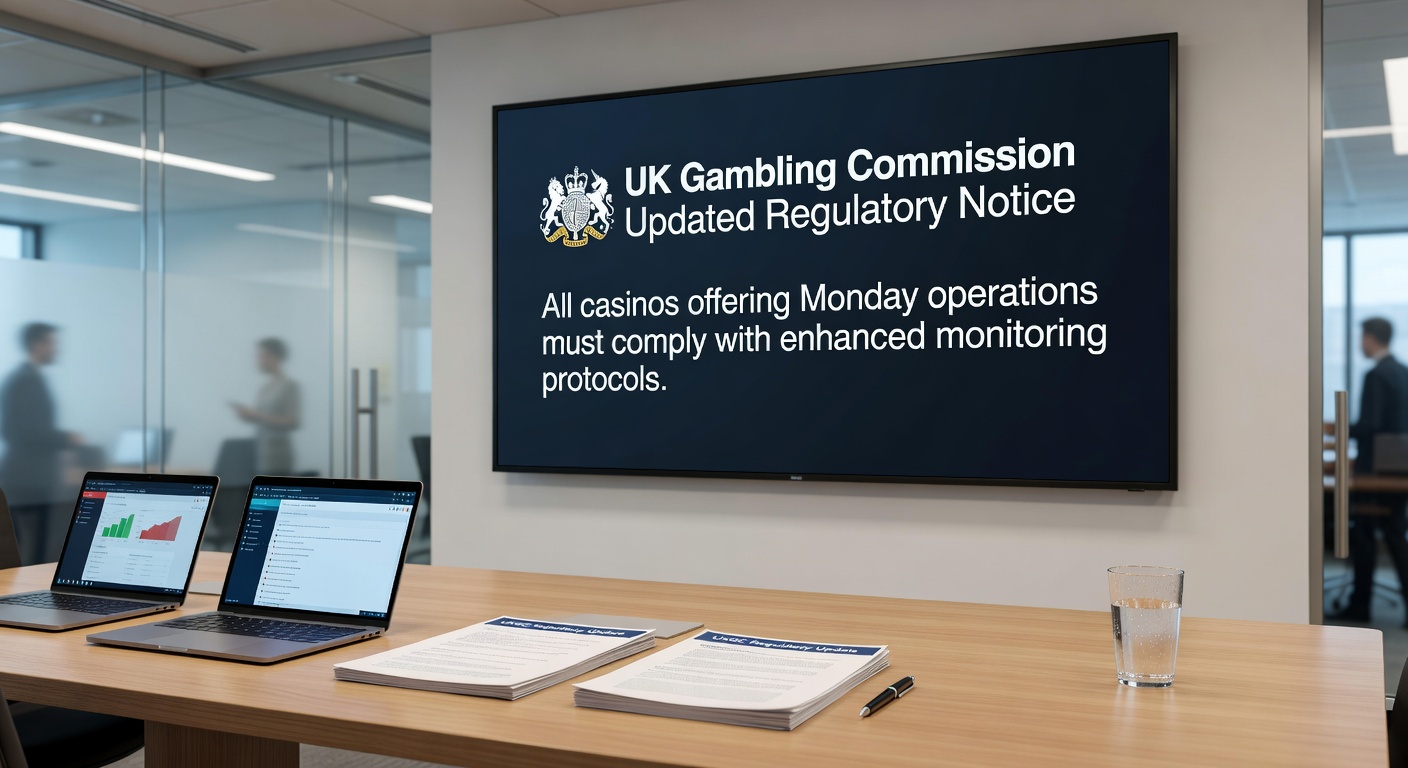
Research conducted by the Commission in prior years indicated that high-spending segments sometimes experience financial strain without immediate visibility to operators, and the staged model addresses this gap by layering checks that scale with risk levels. Observers note that linking assessment stages to real-time spending data helps reduce the lag between detection and action, whereas older methods relied more heavily on manual reviews that could delay support.
Implementation Timeline and Operator Responsibilities
Operators must prepare internal procedures ahead of the phased introduction, and the Commission will issue supplementary technical specifications to standardise data fields used during each assessment stage. Training requirements fall on licence holders to ensure staff understand when escalation between stages becomes necessary, while record-keeping obligations ensure traceability for regulatory review. The framework also encourages collaboration between operators and financial advice services so that customers identified at higher stages can access external support without unnecessary delay.
Figures published alongside the announcement reveal that the Commission consulted industry representatives during policy development, and feedback shaped the decision to adopt a staged rather than simultaneous rollout. This consultation process helped align the assessments with existing anti-money laundering checks, and it minimised duplication of effort for operators already handling multiple compliance streams.
Regulatory Oversight and Reporting Requirements
The Commission retains authority to review operator performance against the new standards, and licence conditions will incorporate specific references to the staged assessments once the framework takes effect. Regular returns must include anonymised statistics on the number of customers who progressed through each stage, and these metrics allow the regulator to monitor whether the approach delivers consistent outcomes across the sector. Non-compliance at any stage can trigger enforcement measures ranging from remedial action plans to formal sanctions depending on severity and frequency.
According to Commission to introduce Financial Risk Assessments in staged approach, the policy update reinforces existing consumer protection duties without introducing entirely new licence conditions at this stage. The announcement clarifies that operators already subject to financial risk rules will transition smoothly because the staged model builds on current practices rather than replacing them outright.
Conclusion
The staged financial risk assessment model represents a measured evolution in how the UK Gambling Commission oversees high-spending activity, and it equips operators with clearer pathways for both detection and support. As implementation proceeds through 2026, ongoing data collection will determine whether adjustments become necessary, and the Commission has signalled openness to refining stage thresholds based on operational feedback. This approach maintains the balance between robust oversight and practical application that characterises recent regulatory updates in the sector.